Securing Your 2026 Nomad Visa: What to Know Now
The landscape for digital nomad visas is constantly shifting. What was easy last year might be a bureaucratic nightmare in 2026, and a new country might have opened its doors. You need to do your homework well in advance, and I mean months, not weeks. Don’t just look at the headline income requirements, dig into the details. Some visas, like Portugal’s D8, have specific minimum stay requirements that can impact your tax residency. Others, such as the Indonesian B211A, might seem straightforward but have a cap on how long you can actually stay without a visa run. It’s not just about getting in, it’s about staying legally and comfortably.
Researching Visa Requirements and Application Timelines
Start with the official government immigration websites. Don’t rely solely on blogs or social media groups, even my own, as information can become outdated fast. Cross-reference everything. Check for: income proof, health insurance requirements, criminal background checks, and the ever-present proof of accommodation. Many countries now want to see a lease agreement or a long-term Airbnb booking, not just a hotel reservation. For example, Spain’s digital nomad visa requires a certificate of non-residency for tax purposes if you've been in Spain previously, and you’ll need to prove you haven’t lived in Spain for the past five years. The timeline for approval can range from a few weeks (like Croatia’s) to several months (Portugal often takes 3-4 months), so plan your departure accordingly.
Financial Proof and Income Stability
This is where many nomads stumble. Most countries require you to show consistent income over the past 6-12 months, usually 2-3 times the national minimum wage. For a country like Greece, this might be around €3,500/month for the main applicant, plus additional for dependents. You'll need bank statements, tax returns, and contracts from your clients or employer. They’re looking for stability, not just a one-off payment. And remember, some countries are very particular about the source of income, demanding it come from outside their borders entirely. It’s always worth checking a guide like our FAQ for specific questions around visa-related connectivity issues.
The eSIM Advantage: Why It’s Critical for Visa Holders
Getting a local SIM card used to be the first thing I did after landing, often before I even left the airport. Now, with eSIMs, that stress is gone. You can land, turn on your phone, and already have data. This isn't just a convenience, it's a lifeline when you're navigating a new city, trying to find your Airbnb, or dealing with an unexpected visa issue. The ability to activate data plans remotely, even before departure, means you’re connected from the moment your plane touches down. No more hunting for a SIM card vendor, no more language barriers at a tiny kiosk. You just hit the ground running.
Instant Connectivity on Arrival
Picture this: you've just landed in a new country, tired from a long-haul flight, and your pre-booked taxi is nowhere to be found. Your old physical SIM is useless. Having a pre-activated eSIM means you can immediately call the taxi, check Google Maps for alternatives, or message your host. This isn't about luxury, it's about avoiding panic. I've heard countless stories, even from seasoned travelers in my WhatsApp groups, about airport scams or getting lost simply because they couldn't get online. An eSIM is your safety net. It allows you to focus on the logistics of arrival, like clearing customs or getting your luggage, instead of stressing over connectivity. For a deeper dive into how useful these are, check out Nomad eSIM: Is It Still Worth It for Global Travel in 2026?
Maintaining Your Primary Number While Abroad
One of the biggest headaches for long-term travelers is keeping their home country phone number active. Many services, especially banks and government agencies, still rely on SMS verification. With an eSIM, you can keep your physical SIM (your main number) in slot one and use the eSIM for local data. This way, you receive all your important texts without paying exorbitant roaming fees. This setup is crucial for managing finances, accessing two-factor authentication for work accounts, and generally staying tethered to your life back home without breaking the bank. Losing access to your primary number can cripple your ability to manage your finances or even log into critical work platforms, something I learned the hard way in Thailand when my US bank decided to block my account until I could receive a verification code back home. (It took a week to sort out.)
Pre-Arrival eSIM Setup: Your First Line of Defense
Don't wait until you're at the airport to figure out your data. Setting up your eSIM before you even leave home is the smart play. It takes minutes and eliminates a massive point of stress when you land. Always buy a plan that activates on a specific date, or one that activates on connection to a network, depending on your travel dates. This ensures you're not burning data while still at home.
Choosing the Right eSIM Plan for Your Destination
This isn't a one-size-fits-all situation. Different countries have different carriers, coverage, and data speeds. What works in Western Europe might not cut it in Central Asia. Look for plans with good coverage in the specific cities or regions you’ll be staying in. Some providers offer regional plans that cover multiple countries, which is incredibly handy if you plan on doing some border hopping. Pay attention to data caps, validity periods, and whether the plan includes calls/texts. For pure data, a data-only eSIM is often the most cost-effective solution. If you're heading to a region like the Silk Road, you'll want to review your options carefully; Central Asia eSIM 2026: Your Silk Road Connectivity Reality Check offers some solid advice.
Activation & Troubleshooting Before You Fly
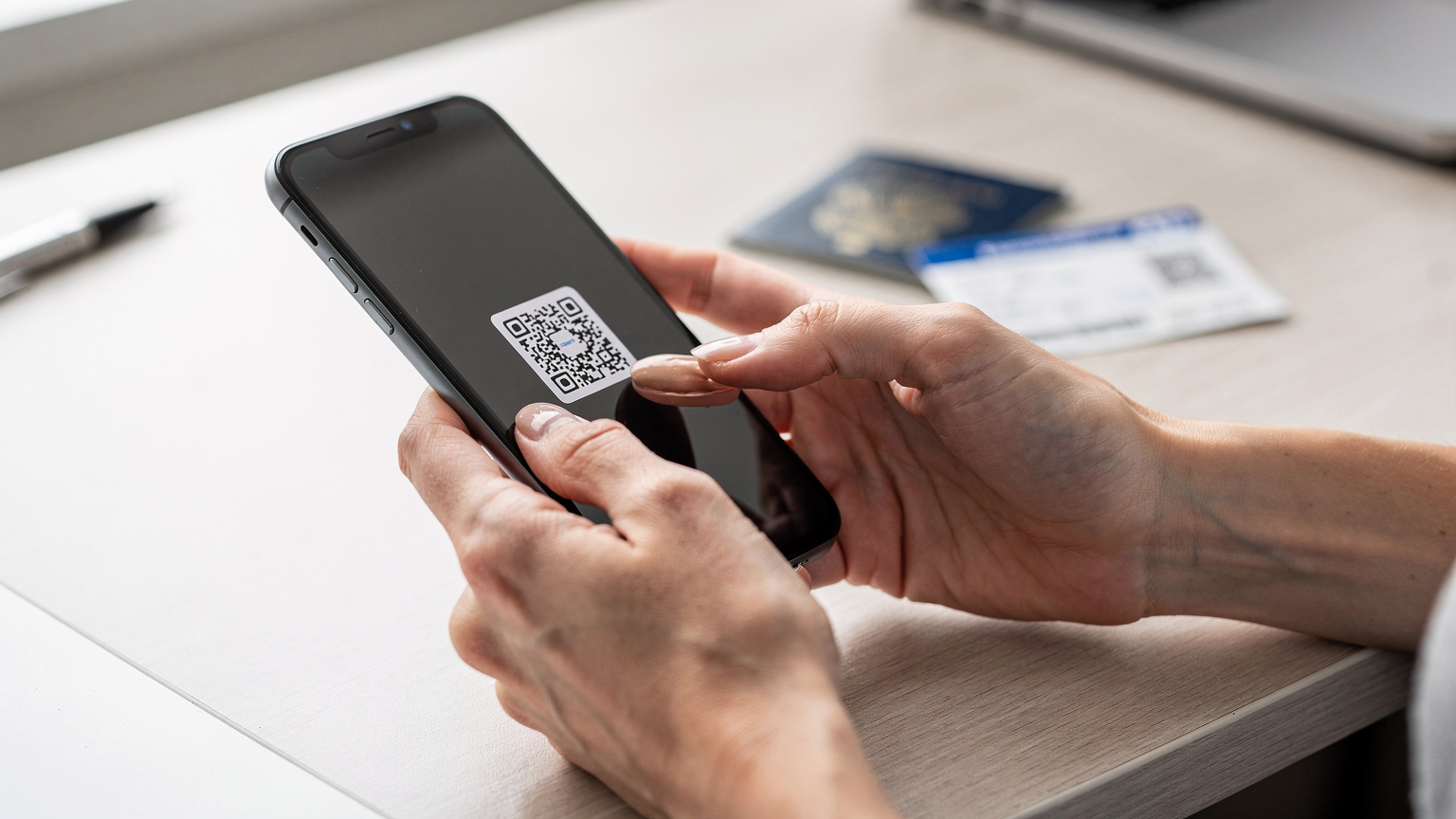
Once you’ve purchased your eSIM, install it while you still have a stable Wi-Fi connection at home. The process usually involves scanning a QR code. Make sure your phone is unlocked and eSIM compatible. If you're an iPhone user, review iPhone eSIM Abroad: Configuring Your Data for Global Travel (2026) to ensure a smooth setup. Test the installation, even if it won't activate until you land. This way, any technical glitches can be sorted out with customer support before you’re in a different time zone, frantically trying to explain the issue over a weak airport Wi-Fi signal. Sometimes, a simple restart is all it takes, but you don't want to be figuring that out at 3 AM in a new city.
Local SIM Card & Apps You Can’t Skip
Despite the wonders of eSIMs, there are still situations where a local physical SIM card is a non-negotiable. This usually boils down to specific local apps that require a local number for verification, or services that simply don't recognize international numbers. It's a pain, but it's reality in many parts of the world. I learned this the hard way in Brazil trying to set up a local bank account, which required a Brazilian CPF and a local number to even download the banking app. You can have the fastest eSIM in the world, but if the app won't verify, you're stuck.
Banking and Government Apps
Many countries, particularly in South America and parts of Asia, have banking apps or government services (like public transport apps or national ID systems) that are tied to a local phone number. India's Aadhaar system, for example, is deeply integrated into daily life and often requires a local number for verification. If you plan on staying long-term, opening a local bank account is essential for rent, utilities, and daily transactions, and that almost always means getting a local SIM. For example, in Mexico, while many services accept international numbers, setting up a CFE (electricity) account or a local bank like BBVA Bancomer often goes smoother with a Mexican number.
Ride-Sharing and Delivery Services
While global apps like Uber or Grab usually work with international numbers, local ride-sharing or food delivery apps often don't, or they're significantly cheaper if you use a local number. In places like Colombia, apps like Didi or Rappi are dominant, and you'll find better service and pricing if you're registered with a local SIM. Beyond that, many local restaurants or shops will only accept orders via WhatsApp to a local number, which means you're missing out on convenience and potentially good deals if you don't have one. It’s not just about getting around, it’s about fully integrating into the daily life of your temporary home.
Cost of Living Anchors: Setting Realistic Budgets
Everyone talks about how cheap certain places are, but 'cheap' is relative. What's affordable to one person might be a stretch for another, especially when you factor in inflation and unexpected costs. Before you commit to a nomad visa, you need a realistic understanding of the cost of living. This isn’t just rent, it’s everything from a coffee to a doctor's visit. I always keep a spreadsheet of my actual expenses from previous locations, and it's rarely what I initially budgeted.
Average Monthly Rent and Utilities
Rent is usually your biggest expense. In Lisbon, for example, a decent one-bedroom apartment in a central neighborhood like Arroios or Estrela will run you €900-€1,200/month, sometimes more, for a furnished place on a short-term lease. Utilities (electricity, water, internet) will add another €100-€150. Compare this to Medellin, Colombia, where you can find a good one-bedroom in El Poblado or Laureles for COP 1,800,000 - COP 2,500,000 (around $450-$650 USD), with utilities adding another $50-$80 USD. These numbers anchor your budget, and anything less is likely a red flag for quality or location. Always factor in a deposit, often 1-2 months' rent, which ties up capital you might need elsewhere.
Food, Transport, and Miscellaneous Expenses
Beyond rent, food is the next big one. Eating out every day can quickly deplete your budget, even in 'cheap' countries. In Lisbon, a decent meal out can be €10-€15. Groceries for a month, cooking mostly at home, might be €250-€350. Public transport is usually affordable, a monthly pass in Lisbon is €40. In Medellin, a single metro ride is COP 3,280 (less than $1 USD). Don't forget co-working space memberships, which can range from $100-$300 USD/month. These are the small costs that add up quickly. Always add a 10-15% buffer for unexpected costs, because something always comes up, whether it’s a surprise visa fee or a broken laptop screen.
| Category | Lisbon (EUR) | Medellin (USD) | Bangkok (USD) |
|---|---|---|---|
| 1-Bed Apt. (Central) | €950 - €1,200 | $450 - $650 | $500 - $800 |
| Utilities (Monthly) | €100 - €150 | $50 - $80 | $60 - $100 |
| Groceries (Monthly) | €250 - €350 | $180 - $250 | $200 - $300 |
| Co-working Space | €150 - €250 | $80 - $150 | $100 - $200 |
| Public Transport | €40 | $25 - $40 | $30 - $50 |
Choosing Your Remote Work Hub: Beyond the Hype
Every year, a new city gets crowned the 'best' for digital nomads. Ignore the hype. What makes a place good for one person, like a party animal looking for cheap drinks, might be a nightmare for someone else trying to get serious work done. You need to consider practical factors that directly impact your ability to work and live comfortably. Think about your routine: where will you work, where will you eat, how will you get around, and what do you do for fun that doesn't involve a laptop?
Infrastructure and Connectivity Assessments
This is where the rubber meets the road. I've been in places with advertised 'fiber optic' that was barely 10 Mbps and dropped out daily. Look for cities with robust internet infrastructure. Speed tests from previous visitors can give you a clue, but nothing beats asking locals or other nomads in dedicated online groups. Beyond Wi-Fi, consider mobile data coverage. Does the primary carrier support 5G, and is it available throughout the city? For places like Lisbon, I've found MEO and Vodafone to be consistently strong, while in Medellin, Claro is usually reliable. If you're considering a more off-the-beaten-path destination, make sure you know what you're getting into connectivity-wise. Is 256kbps fast enough for your needs, or do you require more? Is 256kbps Fast Enough for Travel? Understanding eSIM Data Speeds in 2026 provides a good breakdown of what to expect.
Safety, Healthcare, and Community
Work isn't everything. You need to feel safe, have access to good healthcare, and ideally, find a community. Research crime rates in specific neighborhoods. Don’t just look at city-wide statistics. What’s safe in one area might be sketchy just a few blocks away. For healthcare, understand the local system. Do you need travel insurance? (Yes, always.) Are there English-speaking doctors? For instance, I always recommend checking out a guide like Vatican City Travel Safety: A Family Planner's 2026 Guide for comprehensive safety insights, even if you’re not going to the Vatican, the principles apply. Finally, a community can make or break your experience. Look for active nomad groups on Facebook or Meetup, co-working spaces that host events, or even sports clubs. Loneliness is real on the road, and having people to grab a Tuesday food court meal with can make a huge difference.
Internet Speed and Co-working Spaces: The Reality Check
Fast internet is non-negotiable for most remote workers. You can’t afford to be dropped from a Zoom call with a client because the cafe Wi-Fi is sputtering. Always have a backup plan. For me, that’s usually a strong eSIM connection, but even then, I’m wary of relying solely on it for critical calls. This is where co-working spaces shine.
Evaluating Local Internet Providers
Before you commit to an apartment, ask about the internet provider and run a speed test if possible. In Portugal, MEO, NOS, and Vodafone are the big three, with fiber optic speeds often exceeding 200 Mbps in major cities. In Mexico, Telmex and Izzi are prevalent, but speeds can vary wildly by neighborhood. Don't assume. Always check. Even if your apartment has good Wi-Fi, having an eSIM from a reliable carrier as a backup is crucial. I’ve seen T-Mobile users abroad struggle with their primary service, sometimes requiring a full T-Mobile eSIM QR Code Guide for Family Travel (2026) level of troubleshooting, which is not ideal when you're just trying to work.
Co-working Space Selection and Backup Plans
A good co-working space offers more than just reliable Wi-Fi, it provides a dedicated environment for focus and networking. In Lisbon, I frequently used Second Home Lisboa in Cais do Sodré. Their internet was consistently excellent, usually symmetrical 500 Mbps fiber, and the atmosphere was perfect for getting deep work done. In Medellín, Selina in El Poblado had decent Wi-Fi and a vibrant community. Always look for places that offer redundant internet connections and backup power. What happens if the power goes out? Do they have a generator? Does your eSIM have enough data to tether if needed? These are the practical considerations that differentiate a good co-working space from a pretty one. I've also found that cafes like Fabrica Coffee Roasters in Lisbon, while bustling, often have surprisingly stable connections for lighter work sessions, especially during off-peak hours.

Visa Limitations and Tax Implications: The Boring But Vital Stuff
This section is where many nomads get themselves into trouble. Your visa is not a free pass to ignore local laws. Every nomad visa comes with rules, and breaking them can lead to fines, deportation, or future visa rejections. Tax implications are also a minefield, especially if you spend significant time in one country or fail to deregister from your home country. Don't be naive, governments are getting smarter about tracking remote workers.
Understanding Visa Duration and Renewal Processes
Most nomad visas are issued for one year, with the possibility of renewal. But renewal is rarely automatic. You'll likely need to re-submit financial proofs, proof of accommodation, and potentially show continued ties to your remote work. Some visas, like Portugal's D8, put you on a path to residency, which has its own set of requirements. Others are purely temporary. Be aware of any limits on your physical presence in the country. Spending too much time in one place can trigger tax residency, even if you don't intend it. For example, if you spend more than 183 days in a calendar year in many EU countries, you're considered a tax resident.
Navigating Tax Residency and Double Taxation Agreements
This is complex, and I'm not a tax advisor, but here's the gist: where you pay taxes depends on your tax residency. If you maintain ties to your home country (e.g., bank accounts, property, family), you might still be liable for taxes there. If you establish tax residency in your host country, you'll pay taxes there. Many countries have double taxation agreements to prevent you from paying taxes twice, but you often need to actively claim these benefits. Get professional advice, especially if your income is substantial. It's an investment, not an expense, to avoid future headaches. I know a guy who got hit with a surprise tax bill from two countries because he didn't sort this out. Not fun.
Building Your Digital Nomad Emergency Kit
Things break. Internet fails. You get sick. Having a plan for when things inevitably go wrong is not pessimism, it's common sense. An emergency kit isn't just a first-aid kit, it's a collection of digital and physical tools to keep you afloat.
Offline Maps and Emergency Contacts
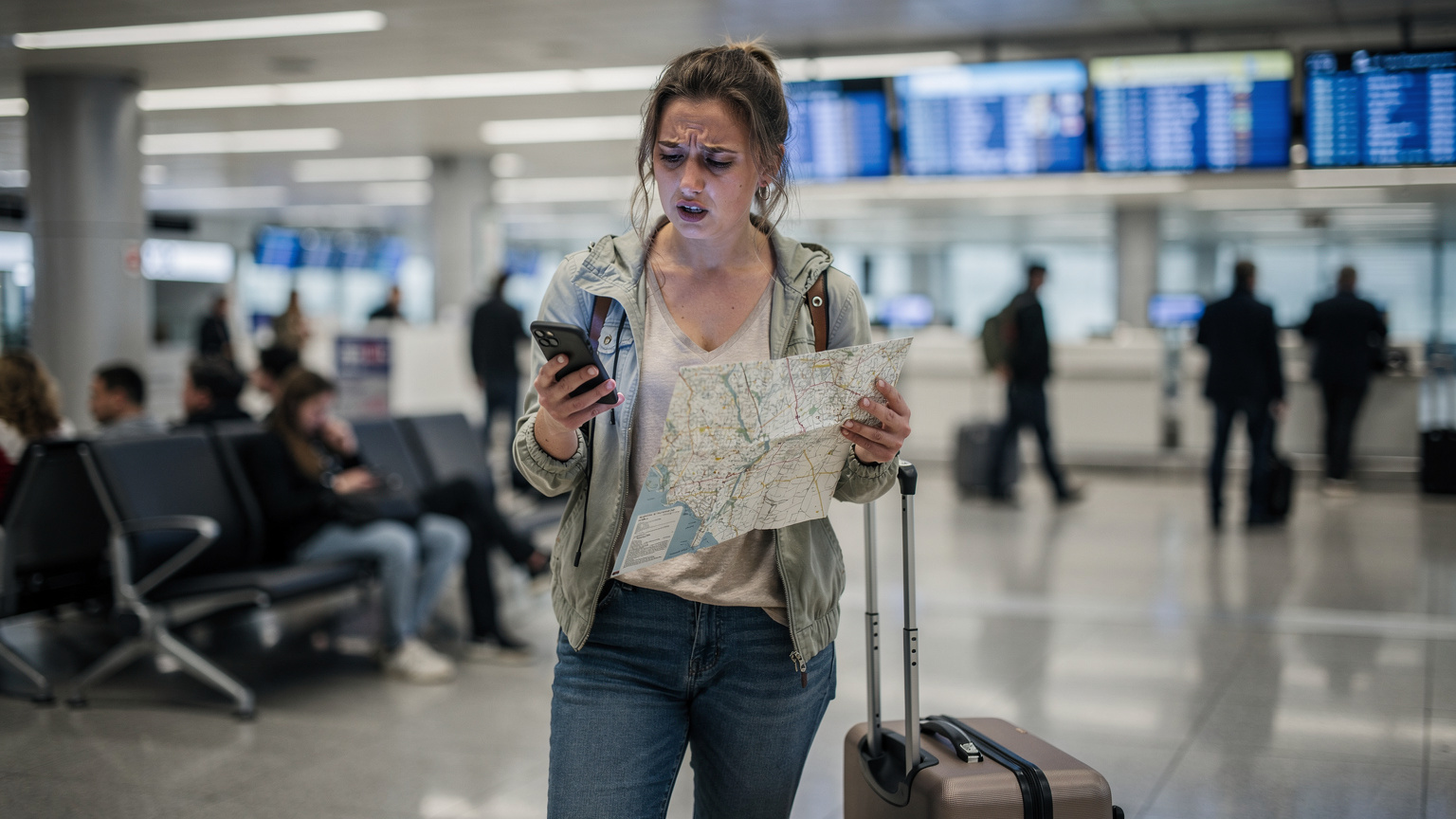
Always download offline maps for your current city and surrounding areas on Google Maps or Maps.me. Seriously, do it. Your eSIM might fail, your battery might die, or you might just wander into a dead zone. Knowing how to get back to your apartment without data is vital. Save emergency numbers (local police, ambulance, embassy, landlord, close contacts) as physical notes or screenshots, not just in your phone contacts. If your phone is lost or stolen, you'll be glad you did. I once got stranded in rural Vietnam with no data and a dead phone, and let me tell you, those offline maps saved my skin.
Power Banks and Backup Devices
A high-capacity power bank is a nomad’s best friend. Keep it charged. You never know when you’ll be stuck without an outlet, whether it’s a long bus ride, a flight delay, or a power outage in your apartment. Consider a backup device for critical work, even if it’s just an old phone or a cheap tablet that can connect to Wi-Fi. This ensures you can access essential documents or communicate in a pinch. Losing your main phone can feel like losing an arm, but a backup can lessen the blow.
| Emergency Item | Description | Why it's Crucial |
|---|---|---|
| High-Capacity Power Bank | 20,000mAh+ with fast charging. | Keeps all devices charged during power outages or long travel segments. |
| Offline Maps | Downloaded via Google Maps or Maps.me. | Navigation without data, vital for getting around when connectivity fails. |
| Physical Copies of Docs | Passport, visa, insurance, flight details. | Backup if digital copies are inaccessible due to lost/stolen device. |
| Unlocked Backup Phone | Basic smartphone with eSIM capability. | Ensures communication and access to essential apps if primary phone is lost/damaged. |
| Local Cash (Small Denominations) | Enough for a day or two of basic expenses. | For situations where cards or digital payments are not accepted. |
Post-Arrival Connectivity: Optimizing Your Setup
You’ve landed, your eSIM is working, and you’ve found your temporary home. Now it’s time to fine-tune your connectivity setup for long-term comfort and reliability. This means more than just having data, it means having a smart data strategy.
Dual-SIM Strategy: eSIM Plus Local Physical SIM
This is my preferred setup for most long-term stays. Your eSIM provides immediate, reliable data from day one, allowing you to settle in without stress. Once you have your local address and possibly a local bank account, you can then purchase a local physical SIM card for your new phone number. This setup offers the best of both worlds: your home number stays active for important verification texts (on the physical SIM), and your local number handles daily communication, local app verification, and potentially cheaper local calls/texts. It's a robust system that covers almost all eventualities. If you're comparing options, consider Nomad eSIM Alternatives: Is It a Better Choice for Your Next Trip? for more context.
Managing Data Usage and Monitoring Performance
Even with unlimited plans, it's good practice to monitor your data usage. Some 'unlimited' plans throttle speed after a certain threshold. Use your phone's built-in data usage monitor to keep an eye on things. Regularly run speed tests using apps like Speedtest.net, especially if you notice a drop in performance. This helps you understand the true capabilities of your local network and your eSIM. If you’re tethering a lot, remember that your laptop will consume data much faster than your phone. Always have a plan for when your data runs low, whether it’s a top-up or a switch to a different plan. Being proactive saves you from those dreaded 'no data' moments right before a crucial call.
Always have a small amount of local currency cash on hand (around $50-100 USD equivalent). Even in highly digital societies, cash can be a lifesaver for small transactions, tips, or in case of a system outage. You don't want to be stuck trying to pay for a metro ticket or a quick snack because your card is declined and your phone is dead.
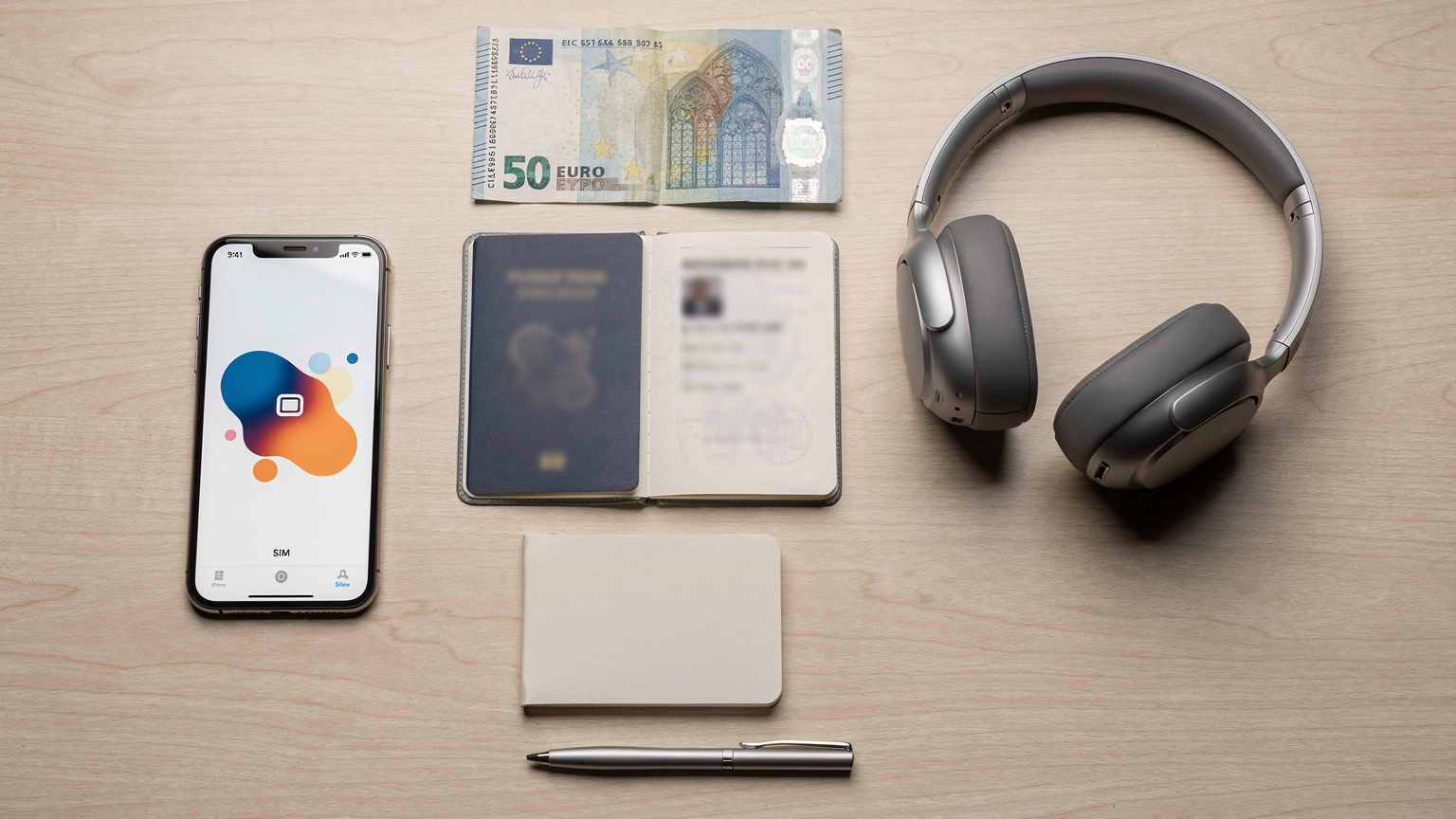
Preparing for a digital nomad visa in 2026 is more than just booking a flight, it's about setting up a resilient, connected life from the moment you land. By focusing on pre-arrival eSIM setup, understanding local app requirements, anchoring your budget with realistic cost-of-living figures, and choosing your hub wisely, you'll avoid most of the common pitfalls. Remember, it's about minimizing friction so you can focus on your work and experience the world, not troubleshooting your tech. Stay practical, stay connected, and enjoy the journey.
Frequently Asked Questions
What is the most critical step for digital nomads applying for a 2026 visa?
The most critical step is thorough pre-departure planning, specifically ensuring seamless connectivity with an eSIM from day one. This involves researching visa requirements months in advance, understanding local app needs for a local SIM, and anchoring your budget with realistic cost-of-living data to avoid surprises.
Why is an eSIM so important for a digital nomad visa holder on arrival?
An eSIM provides instant connectivity upon arrival, allowing you to access maps, contact your host, or manage emergencies without needing to find a local physical SIM card. It eliminates the stress of being offline in a new country and ensures you can start working or navigating immediately.
Are there any specific apps that always require a local physical SIM card, even with an eSIM?
Yes, many banking apps and government services, particularly in countries like Brazil, India, or Mexico, require a local phone number for verification. Additionally, some local ride-sharing or food delivery apps may offer better service or pricing if registered with a local physical SIM.
How can I accurately budget for monthly rent and living costs in a new nomad hub?
Research current rental prices for one-bedroom apartments in central, desirable neighborhoods and factor in utilities, which can add €100-€150 per month. Also, budget for groceries, public transport, and a co-working space membership, and always add a 10-15% buffer for unexpected expenses.
What should I look for in a co-working space besides reliable Wi-Fi?
Beyond reliable Wi-Fi, look for co-working spaces that offer redundant internet connections, backup power (like a generator), and a community aspect with networking events. Consider factors like ergonomic seating, quiet zones, and access to amenities like kitchens or meeting rooms.
How do I deal with tax residency complications as a digital nomad with a visa?
Understand that spending more than 183 days in a calendar year in many countries can trigger tax residency. Seek professional tax advice to understand your obligations in both your home and host countries, and how double taxation agreements might apply to your specific situation to avoid fines or future visa issues.